





Subprocessor list published
General4 Oct 2026
Our Trust Center now lists every subprocessor used by the Safeguard SaaS offering, with its purpose and location. Private cloud, on-prem and air-gapped deployments use none of them.
Safeguard is the immune system for software, for both security and compliance. For security, it finds Zero Days across the supply chain and fixes them autonomously, 100 layers deep. For compliance, it automates frameworks such as SOC2, ISO 27001 and GDPR with continuous control monitoring, evidence collection and audit-ready reporting. This page reports our own posture: the frameworks we hold or are working toward, how we handle customer code and data, and how to reach the team that owns it.
Continuous monitoring of our controls against the SOC2 Trust Services Criteria, refreshed from our evidence records. This is live monitoring, not an auditor's opinion.
Amazon Web Services
Google Cloud
Microsoft Azure
Oracle Cloud Infrastructure
Yotta
Hetzner
Private cloud, on-premises and air-gapped installations keep customer data in the customer's own environment.
Published by Safeguard.
Issued by A-LIGN
Issued by A-LIGN











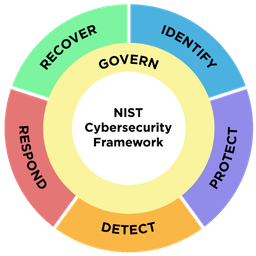
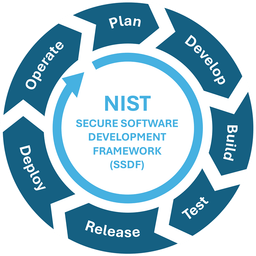

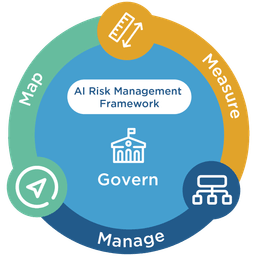




EU emblem: European Union. It marks legislation of the European Union and does not mean the EU is connected with this organisation. NIST CSF 2.0 graphic reprinted courtesy of the National Institute of Standards and Technology, U.S. Department of Commerce. NIST SSDF logo: NIST. SLSA logo: The Linux Foundation, linking to slsa.dev. NIST AI RMF graphic: N. Hanacek/NIST.
Current status for each framework. Where a certification is held, the certificate and its scope are available on request.
5 further control areas on the Controls page.
Safeguard SaaS runs in multiple regions on Amazon Web Services, Google Cloud, Microsoft Azure and Oracle Cloud Infrastructure, on Yotta in India (Mumbai and GIFT City) and on Hetzner in Europe. Private cloud, on-prem and air-gapped deployments run entirely in your own environment.
As multi-region SaaS; as Safeguard for Government for public-sector customers; or installed in your own private cloud, on-prem or fully air-gapped. You can buy directly, through AWS Marketplace, or by private offer.
No. Private cloud, on-prem and air-gapped installs run entirely in your environment, including Safeguard's own AI models, so no third-party subprocessor receives your data. Third-party AI models or scanners are used only if you choose to connect them. The subprocessors listed on this page apply to the SaaS offering.
On AWS Marketplace, yes: listings are public and a purchase can draw down your committed AWS spend, including by private offer. Our Microsoft Marketplace listings are live for discovery and provisioning but are not yet transactable. Google Cloud Marketplace is in review, and an Oracle Cloud Marketplace listing is in progress; until they are live, buy directly or by private offer.
4 Oct 2026
Our Trust Center now lists every subprocessor used by the Safeguard SaaS offering, with its purpose and location. Private cloud, on-prem and air-gapped deployments use none of them.
4 Oct 2026
You can now request access to restricted documents, such as audit reports, directly from this Trust Center. Each request is verified by email, covered by an NDA and approved by our team.